
Introducing Ostorlab App Vetting for the Agentic Era
Ostorlab has launched App Vetting, a mobile application risk assessment solution that helps teams evaluate Android and iOS apps before approval. It combines static analysis, dynamic testing, and secure sandbox execution with continuous monitoring, weighted risk scoring, and agentic workflows to identify vulnerabilities, privacy risks, malware indicators, telemetry behavior, and trust issues while helping teams prioritize what matters most.
Organizations increasingly rely on third-party mobile applications, yet evaluating their security posture remains a fragmented process. Security teams are often forced to piece together vulnerability reports, privacy assessments, malware indicators, and reputation signals from multiple sources before making an approval decision.
Today, we're introducing App Vetting, a new capability in Ostorlab designed to help organizations assess Android and iOS applications through automated analysis, contextualized risk scoring, and continuous monitoring.
App Vetting combines static analysis, dynamic testing, and safe containment sandbox execution to provide a comprehensive view of application risk before deployment and throughout the application lifecycle.
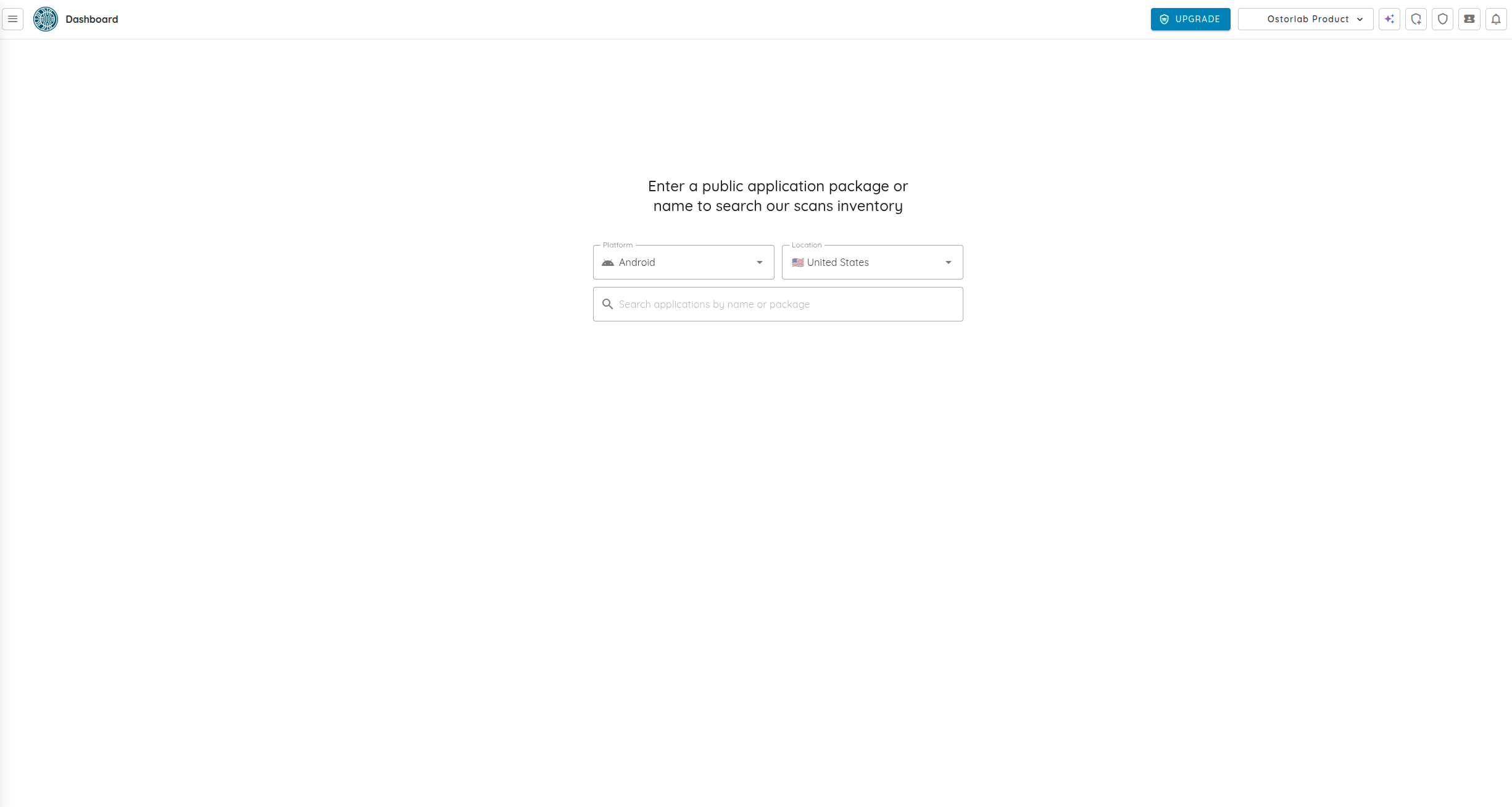
From Findings to Decisions
Most security tools stop at detection.
App Vetting uses agentic workflows to analyze findings, identify meaningful risk patterns, and provide context around what security teams should focus on first.
Rather than overwhelming users with hundreds of isolated findings, App Vetting helps prioritize the issues that have the greatest impact on an application's overall risk profile.
The goal is simple: help teams spend less time reviewing findings and more time making informed decisions.
Rather than relying solely on severity ratings, this approach helps security teams understand what contributes to an application's overall risk profile and make more informed approval decisions.
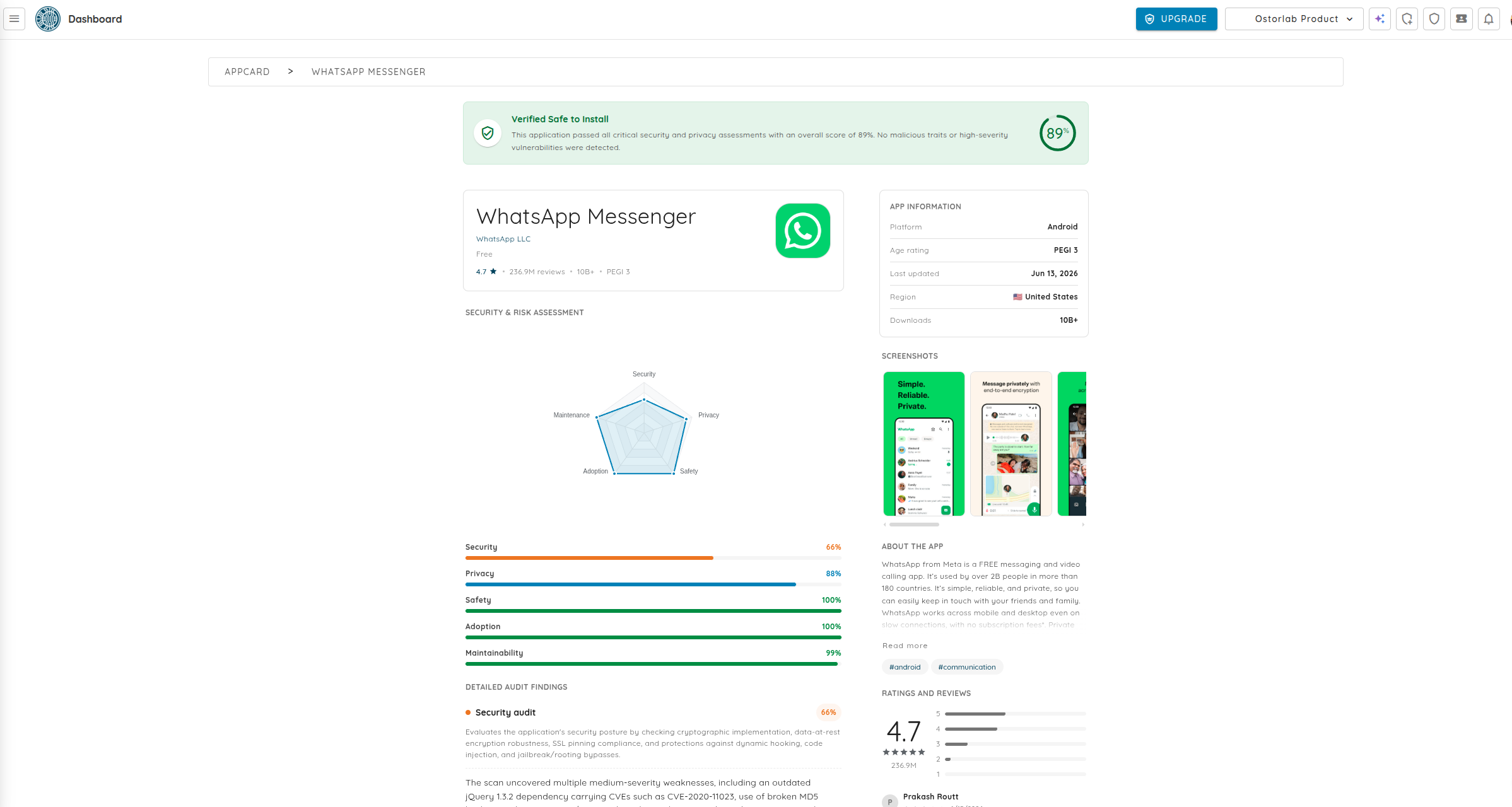
Multi-Dimensional Risk Scoring
Applications are evaluated across five dimensions:
- Malware (35%)
- Security (25%)
- Privacy (20%)
- Trust (10%)
- Maintainability (10%)
This scoring model provides a more complete view of application risk than traditional severity ratings alone.
By combining vulnerability analysis, malware indicators, privacy concerns, trust signals, and long-term maintainability factors, App Vetting helps organizations understand not only whether an application is risky, but why.
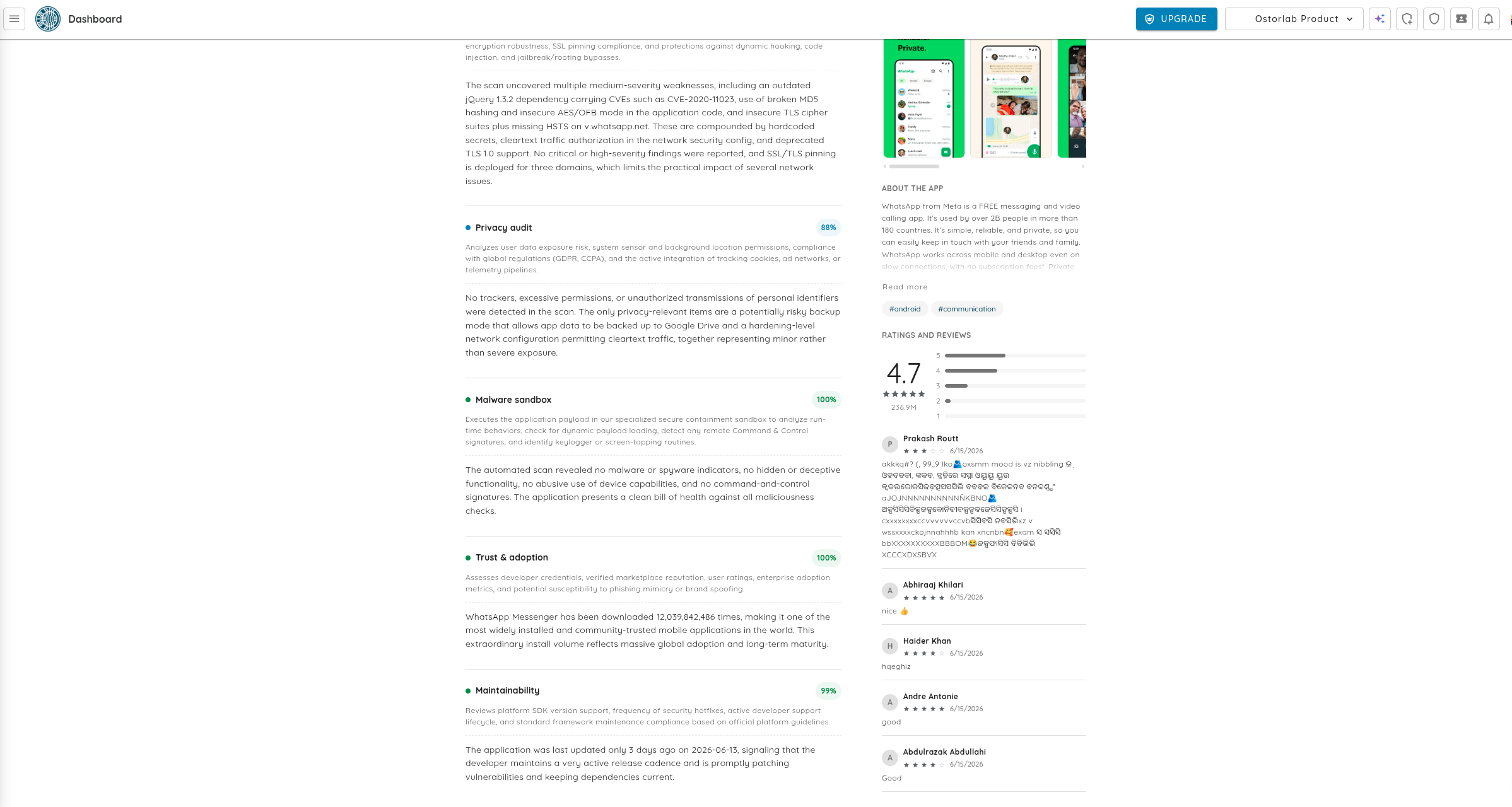
Continuous Monitoring
Application risk changes over time.
New releases introduce new code, dependencies, permissions, SDKs, and behaviors. A security assessment performed today may no longer reflect the risk of an application tomorrow.
App Vetting continuously analyzes new application versions as they are released, helping organizations maintain visibility into changes that affect security, privacy, trust, and overall risk posture.
This allows teams to move beyond one-time reviews and adopt a continuous approach to mobile application risk management.
Available Today
Start evaluating Android and iOS applications with automated risk assessment, continuous monitoring, and secure collaboration workflows.